



The China-Japan Joint Workshop on Stem Cell and Cell Therapy was successfully held on September 24, 2025, in Kumamoto, Japan, as part of the 54th International Society for Experimental Hematology (ISEH) Annual Scientific Meeting. The workshop was jointly hosted by the Institute of Hematology & Blood Diseases Hospital, Chinese Academy of Medical Sciences & Peking Union Medical College (IHCAMS) and Kumamoto University.
This high-level academic event brought together leading scientists, clinical experts, and researchers from both China and Japan, facilitating in-depth exchanges on cutting-edge advances in stem cell biology, gene therapy, and cellular immunotherapies.
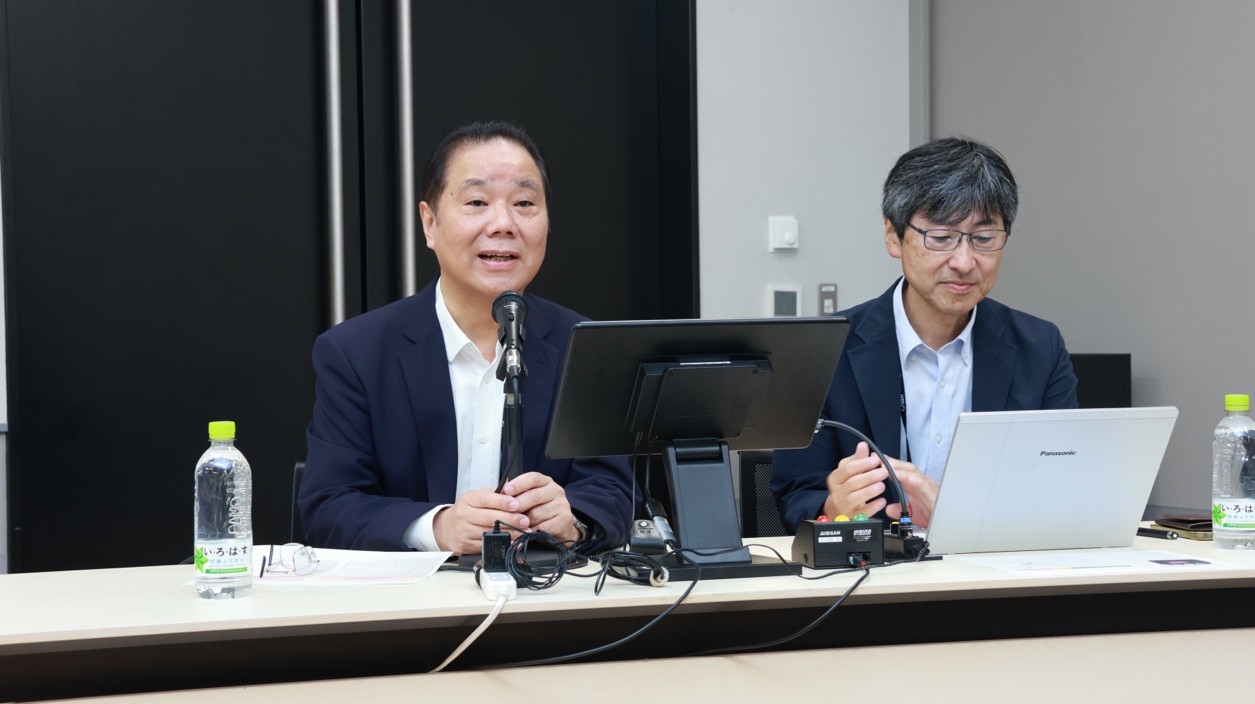
Professor Tao Cheng, President of the Institute of Hematology & Blood Diseases Hospital, delivered the opening remarks. He reviewed the 40-year history of Sino-Japanese collaboration in hematology and proposed to establish a regular bilateral exchange mechanism.
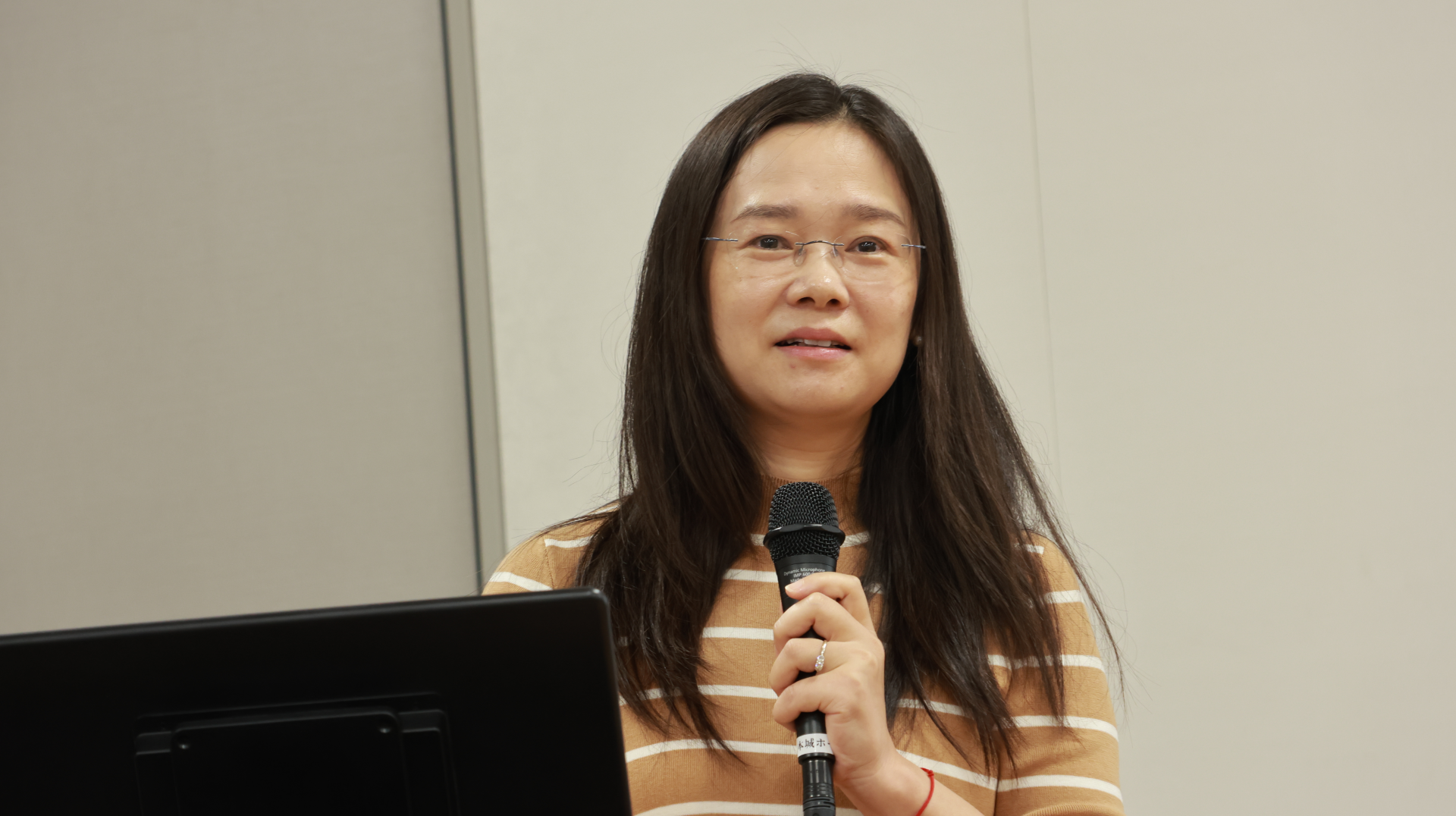
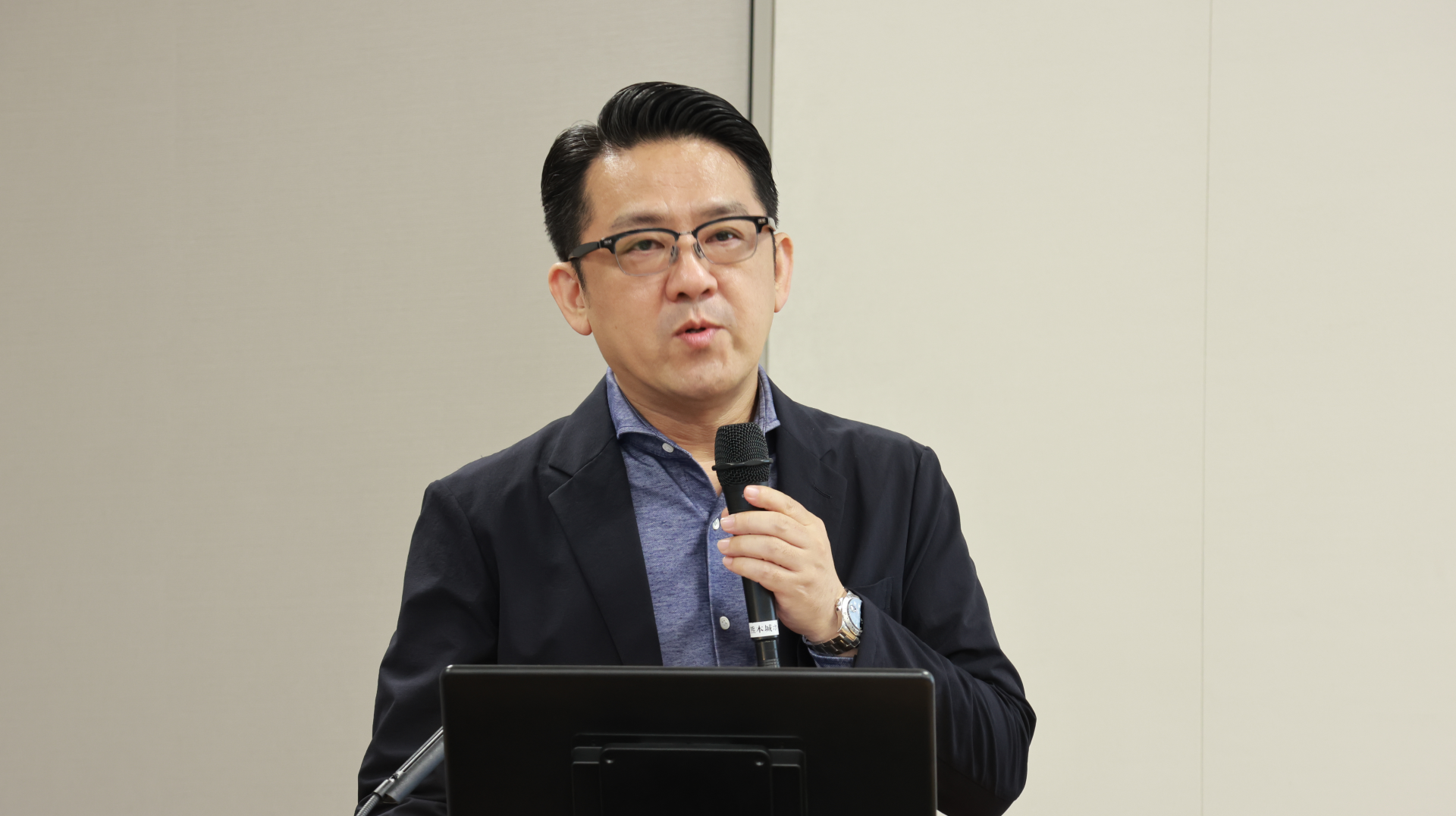
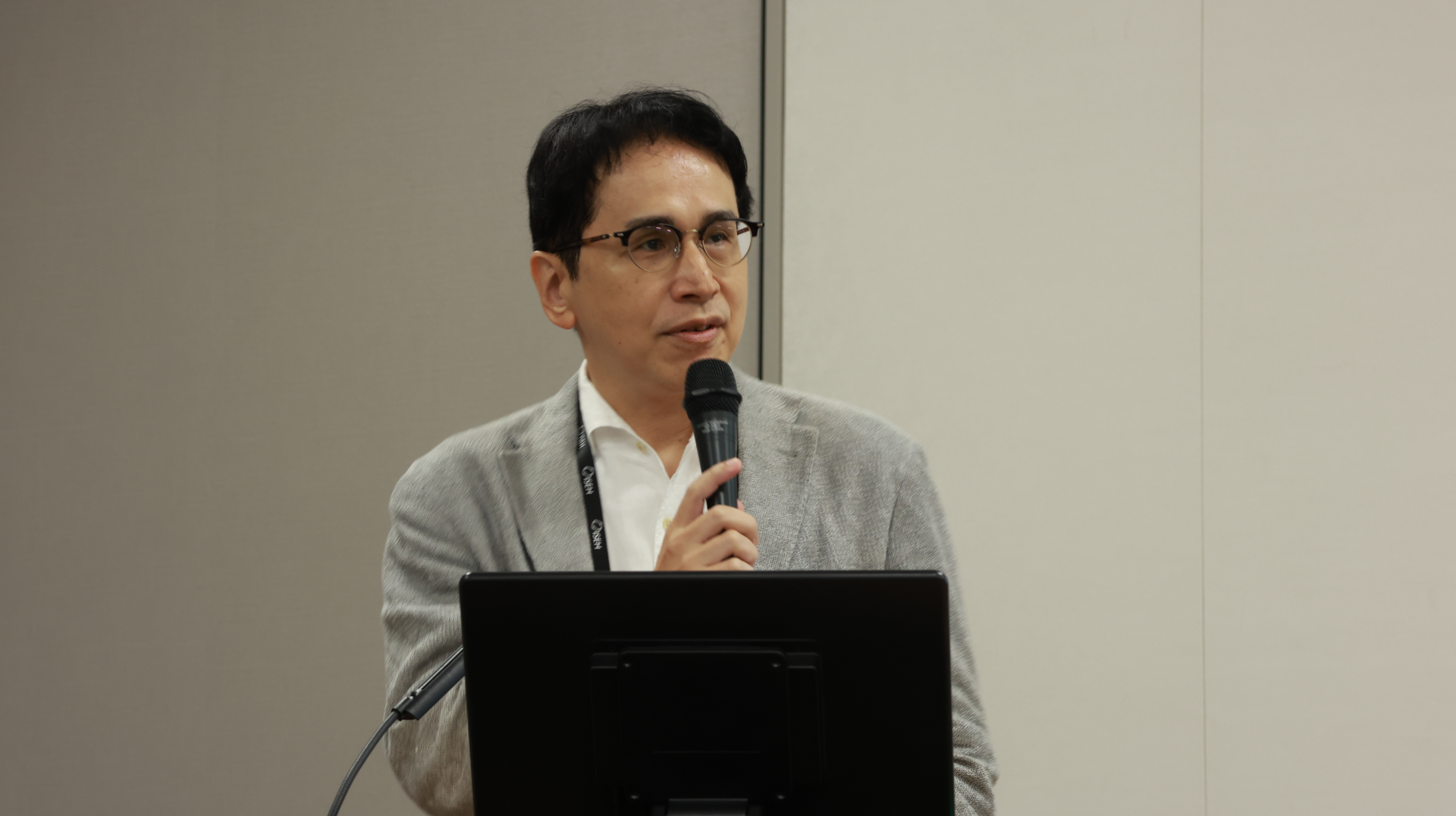
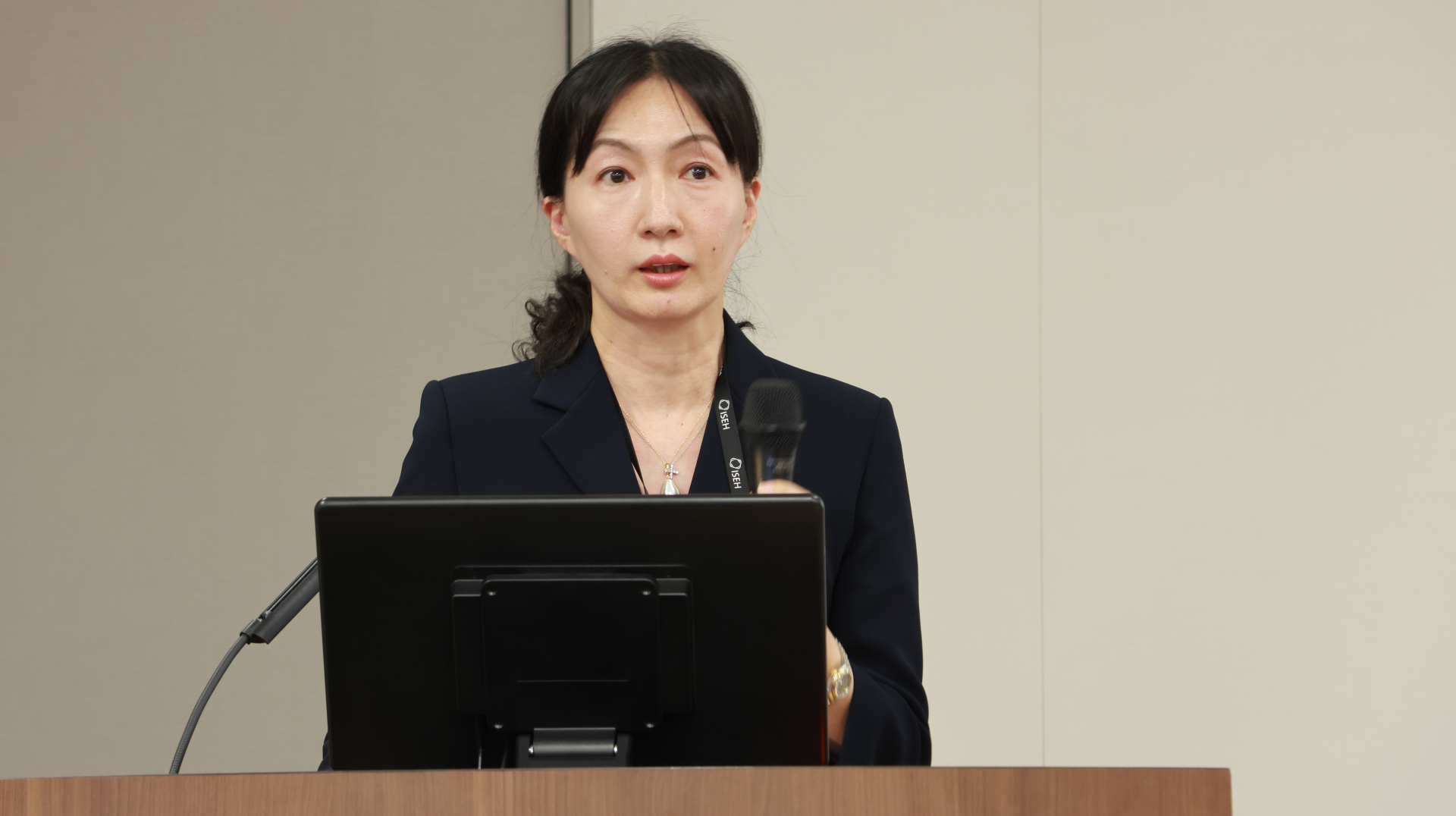
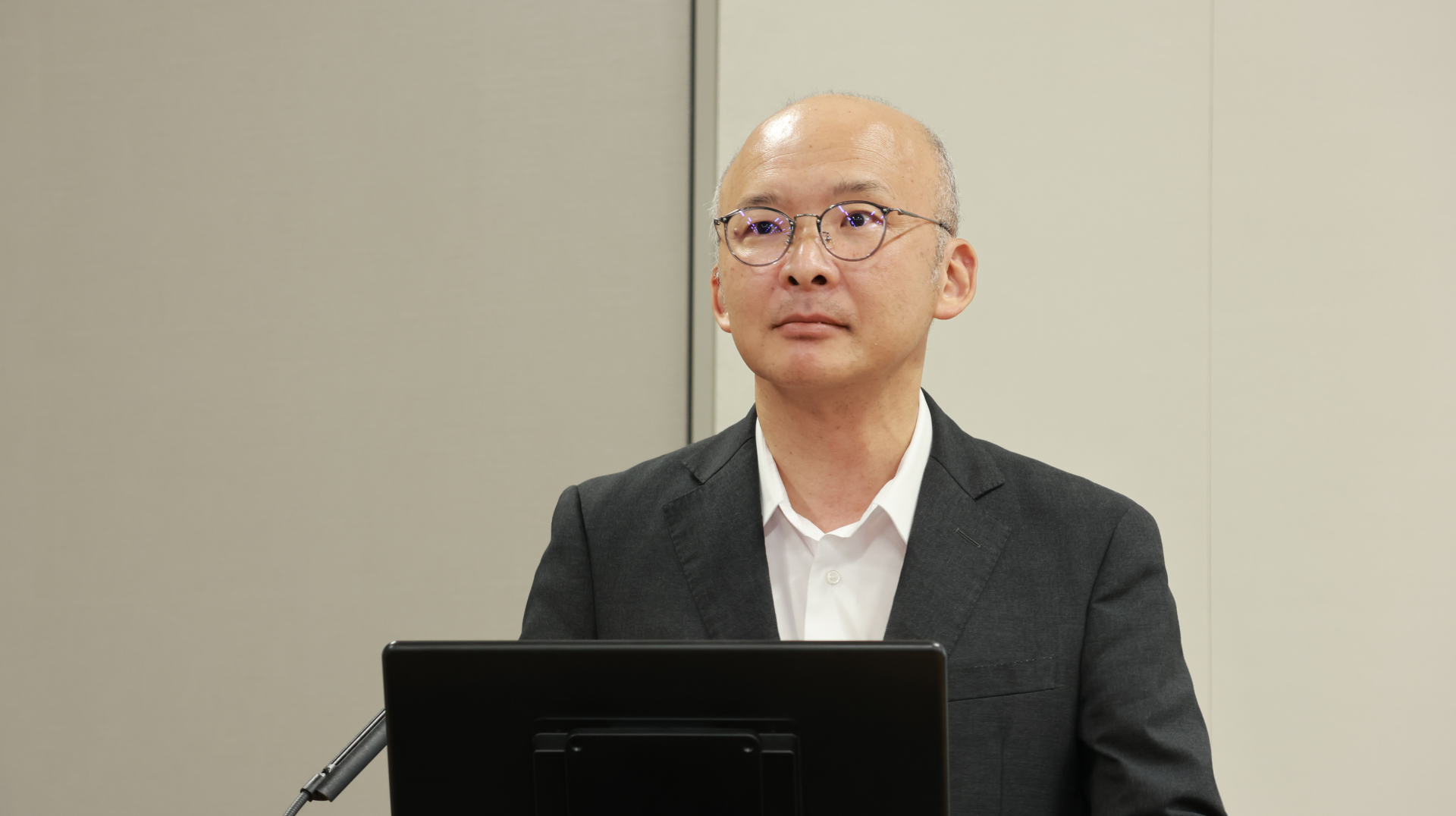
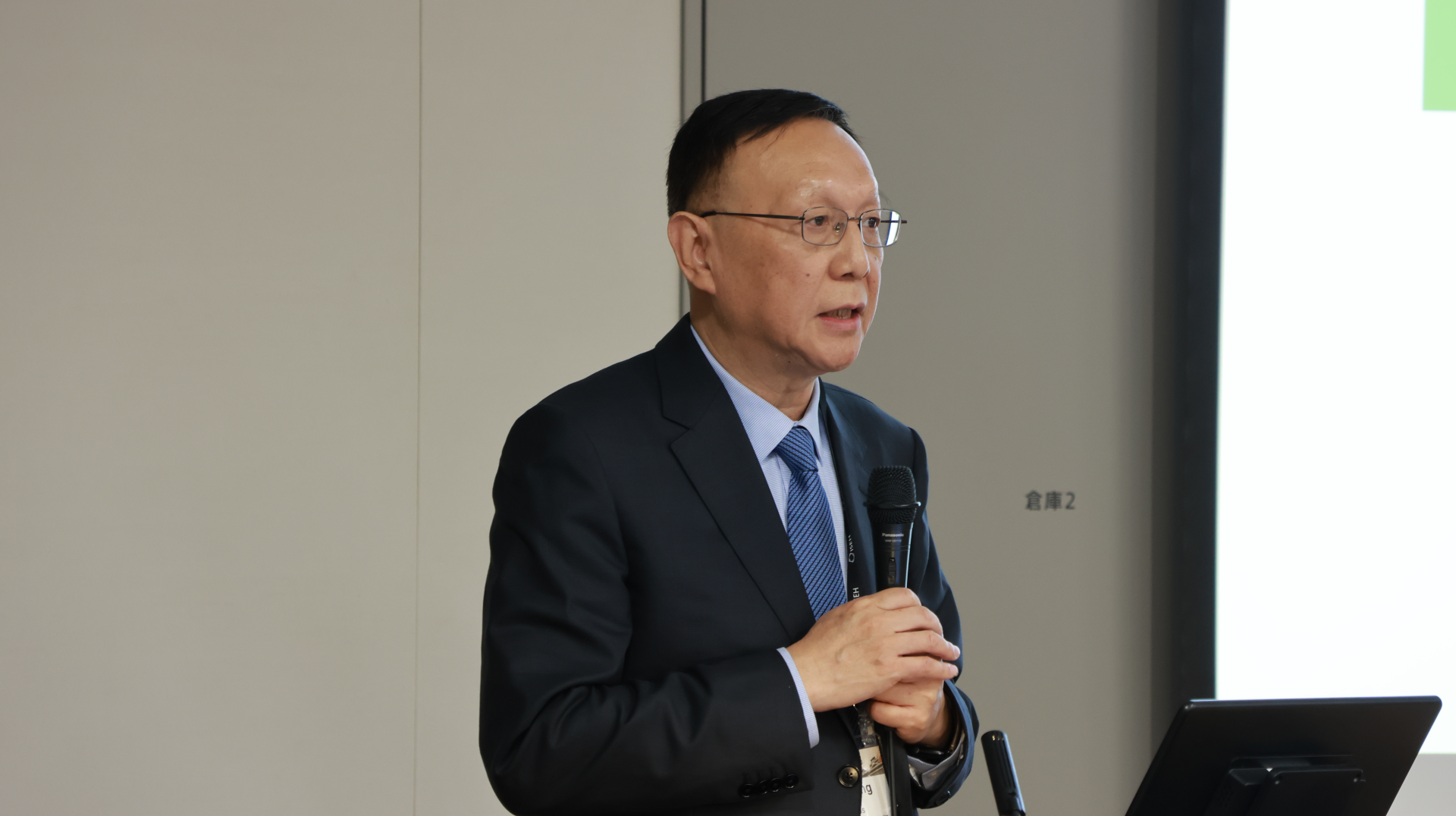
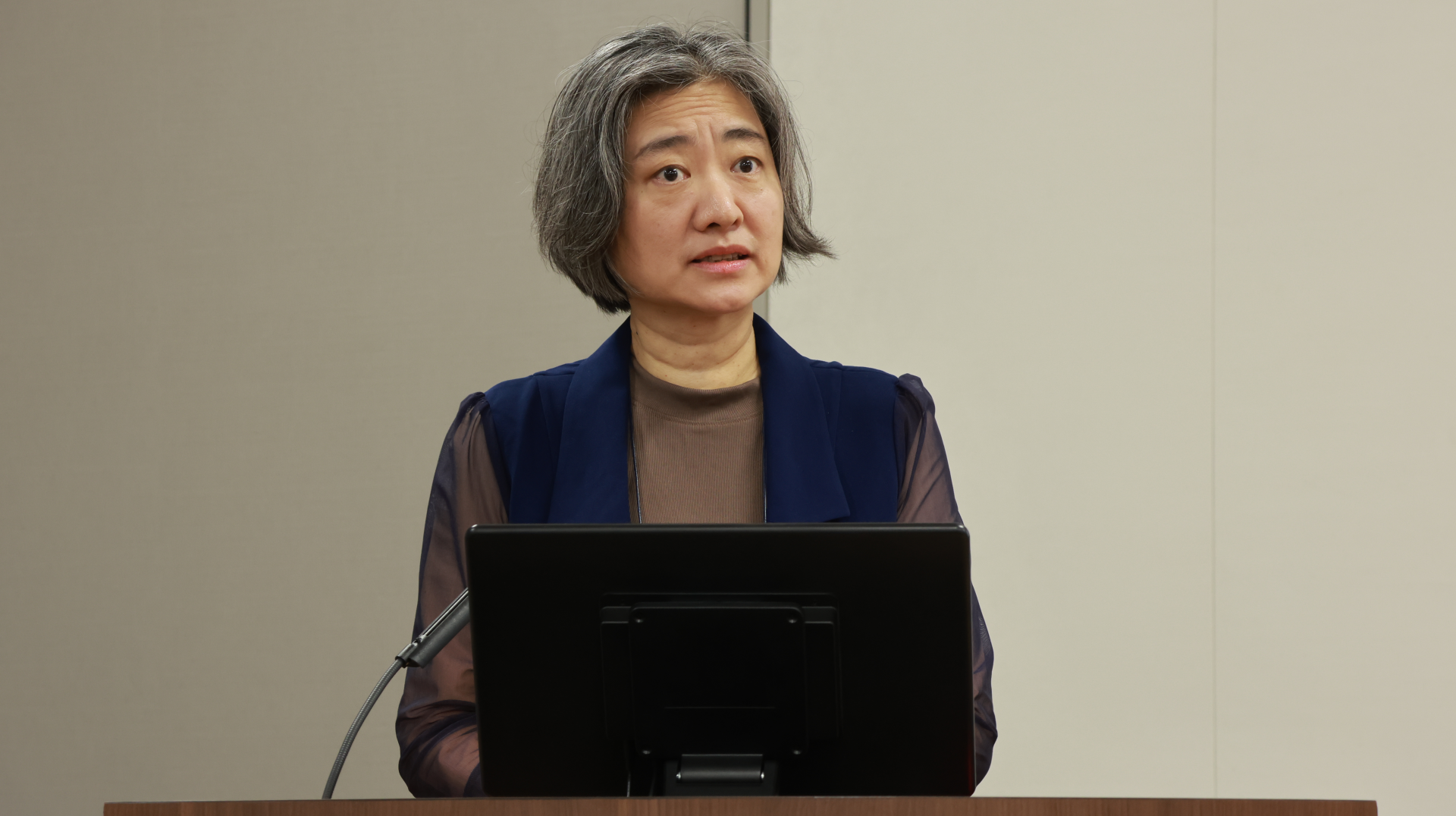
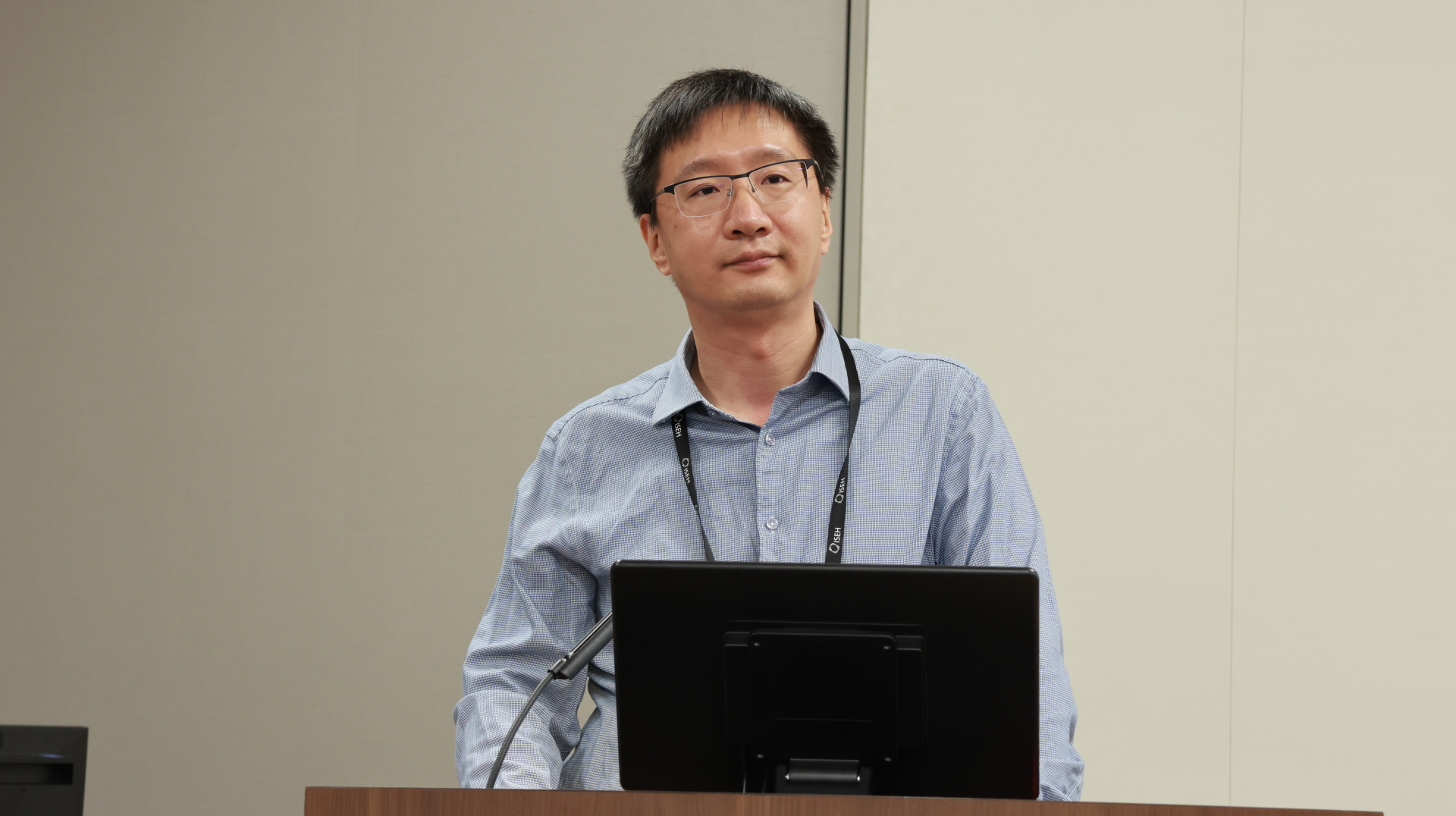
The scientific session featured a series of high-level presentations by experts from leading institutions in both countries. Speakers included Professor Hudan Liu from Wuhan University, Professor Fumio Arai from Kyushu University, Professor Mineo Kurokawa from the University of Tokyo, Professor Miki Ando from Juntendo University, Professor Naoki Hosen from Osaka University, and Professor Jianxiang Wang, Professor Yu Lan, Professor Feng Xue from IHCAMS. They presented recent advances in areas including leukemia stem cell mechanisms, hematopoietic stem cell quiescence, early hematopoietic development, mass production of iPS-derived granulocytes, gene therapy for hemophilia B, iPSC-derived next-generation T cell therapy, and CAR-T/NK cell therapy for relapsed/refractory leukemia.
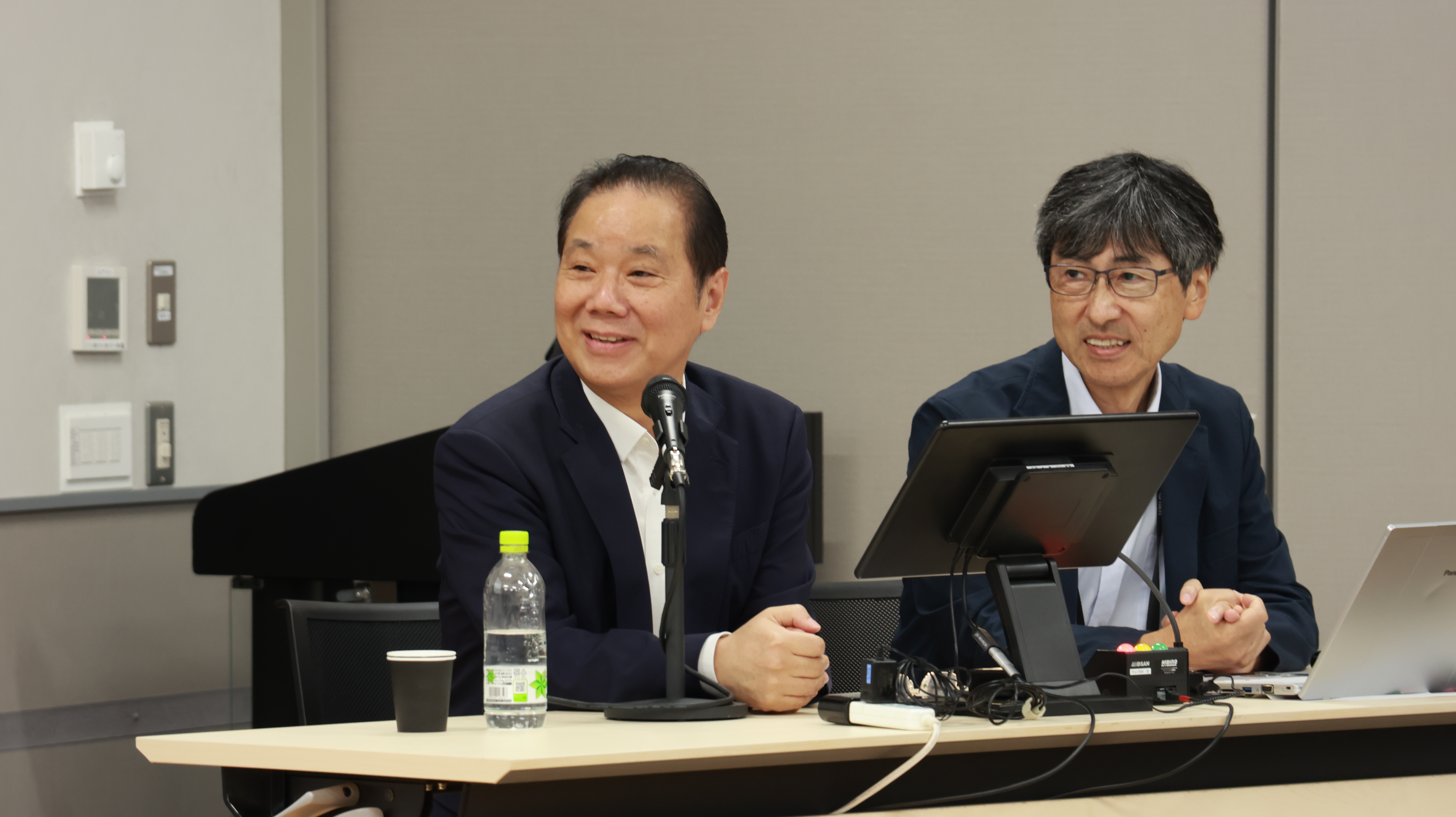
In the closing remarks of Professor Atsushi Iwama of the University of Tokyo, he expressed appreciation to all speakers and participants and acknowledged the strong support from Professor Toshio Suda. He emphasized that the workshop laid a solid foundation for continued collaboration, enhancing academic and cultural ties between the two countries in hematology and beyond.