




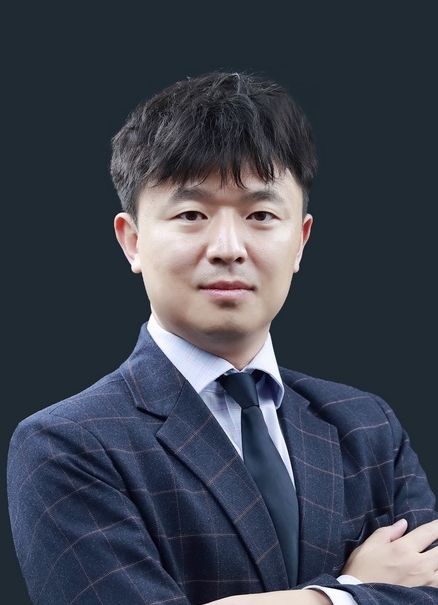
Dr. Hong Wang is a principal investigator and doctoral supervisor at the Institute of Hematology and Blood Diseases Hospital, Chinese Academy of Medical Sciences and Peking Union Medical College. His research integrates high-throughput mass spectrometry, multi-omics, functional genomics, and artificial intelligence to study the blood ecosystem and translate molecular discoveries into clinically actionable tools for hematologic diseases. He has developed rapid, automated, and deep proteomic workflows for plasma and blood cells, enabling analysis of up to 300 samples per day and identification of up to 8,962 plasma proteins and 11,441 proteins from malignant blood cells. These platforms support biomarker discovery, risk stratification, therapeutic-response assessment, and mechanistic studies of acute myeloid leukemia, hematopoietic stem-cell biology, and aging. His work has defined adaptive signaling and differentiation programs that shape FLT3-inhibitor resistance, including context-dependent p38 MAPK dependency and AHR-regulated differentiation competence. Together with Professor Tao Cheng, he is advancing the blood ecosystem framework to understand cross-organ regulation in hematopoiesis and agin. He also directs a center comprising ten advanced-technology platforms and promotes standardized, clinical-grade proteomics and multi-omics research.
Senior Scientist, Proteomics Center, St. Jude Children’s Research Hospital, Memphis, TN, USA, 2018-2021
Postdoctoral Fellowship, Clinical Proteomics, St. Jude Children’s Research Hospital, Memphis, TN, USA, 2017-2018
PhD, Biomedical Sciences, UTHSC/St. Jude Children’s Research Hospital, Memphis, TN, USA, 2011-2017
Bachler, Laboratory Medicine, Southwestern Medical University, Luzhou, Sichuan, China, 2006-2011
Deputy Director, Science and Technology Office, Institute of Hematology and Blood Diseases Hospital, CAMS & PUMC, 2024-Present
Director, Center for Advanced Technologies, Haihe Laboratory of Cell Ecosystem, 2023-Present
Principal Investigator, Institute of Hematology and Blood Diseases Hospital, CAMS & PUMC, 2021-Present
PRINCIPAL HONORS, AWARDS:
2023 China Top 10 Research Progress of Hematology
2023 HUPO Proteomics Highlight of the Year
MAJOR LEADERSHIP POSITIONS SOCIETIES AND BOARDS:
2026-Present Co-Chair, Cancer Initiative, Human Proteome Organization (HUPO)
2025-Present Secretary-General, Translational Medicine Working Committee, Chinese Association for Physiological Sciences
SELECTED PUBLICATIONS:
1. Wang H*#,…, Cheng T*. Multi-omics blood atlas reveals unique features of immune and platelet responses to SARS-CoV-2 Omicron breakthrough infection. Immunity. 2023
2. Shen L, Yang Y, …, Wang H*. XY0206 targets FLT3-dependent resistance states in acute myeloid leukemia. Journal of Clinical Investigation. 2026.
3. Shen L, Fan J,…, Wang H*. Adaptor-mediated rewiring of FLT3 signaling engages p38 MAPK in gilteritinib-resistant acute myeloid leukemia. Leukemia. 2026.
4. Qian W, Jiang P,…, Wang H*, Chen B*, Qian P*. Selective identification of epigenetic regulators at methylated genomic sites by SelectID. Nature Communications. 2025
5. Yang D,…, Wang H*, Integration of CRISPR-Cas9 screens and multi-omics profiling reveals chromodomain helicase DNA binding protein 7-angiopoietin-1 as a novel multidrug resistance axis in acute myeloid leukemia. Interdisciplinary Medicine. 2025