



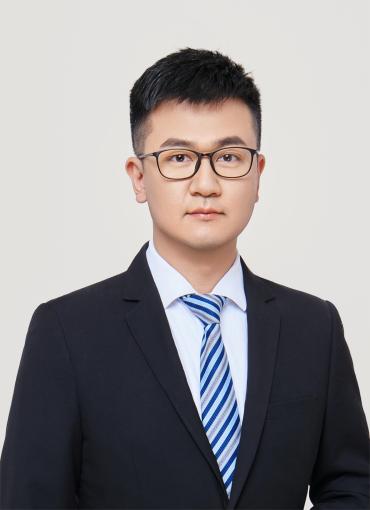
Our research group is dedicated to integrating single-cell multi-omics and bioinformatics to investigate the pathogenesis and drug resistance mechanisms of hematological diseases. My work has been published in international academic journals such as Cancer Discovery, Blood, Nature Cancer, and Nature Methods. I was awarded the National Natural Science Foundation of China (NSFC) Excellent Young Scientists Fund Program (Overseas) in 2024.
Ph.D., Genetics, University of Iowa, Iowa City, Iowa, USA, 2011-2017
Bachelor, Biological Sciences, Peking University, Beijing, China, 2007-2011
Investigator, Institute of Hematology and Blood Diseases Hospital, Chinese Academy of Medical Sciences and Peking Union Medical College, 2024-
Posdoc, Children's Hospital of Philadelphia, University of Pennsylvania, 2018-2024
SELECTED PUBLICATIONS:
1. Chen C*, Xu J*, et al. Single-cell pan-cancer analysis reveals treatment resistance stem/progenitor-like subpopulation in the high-risk pediatric leukemia. 2025. Blood. 145(23), 2685–2700
2. Xu J*, Chen C*, et al. A multiomic atlas identifies a treatment-resistant, bone marrow progenitor-like cell population in T cell acute lymphoblastic leukemia. 2025. Nature Cancer. 6, 102–122
3. Chen C*, Yu W*, Alikarami F*, et al. Single-cell multiomics reveals increased plasticity, resistant populations and stem-cell-like blasts in KMT2A-rearranged leukemia. 2022. Blood. 139(14), 2198-2211
4. Chen GM*, Chen C*, Das RK*, et al. Integrative bulk and single-cell profiling of pre-manufacture T-cell populations reveals factors mediating long-term persistence of CAR T-cell therapy. 2021. Cancer Discovery. 11(9), 2186-2199
5. Gao P*, Chen C*, Howell ED*, et al. Transcriptional regulatory network controlling the ontogeny of hematopoietic stem cells. 2020. Genes & Development. 2020/6/4
6. Chen C*, Yu W*, et al. Spatial genome re-organization between fetal and adult hematopoietic stem cells. 2019. Cell Reports. 29(12), 4200-4211. e7
7. Cao Z*, Chen C*, et al. A microfluidic device for epigenomic profiling using 100 cells. 2015. Nature Methods. Oct;12(10):959-62