



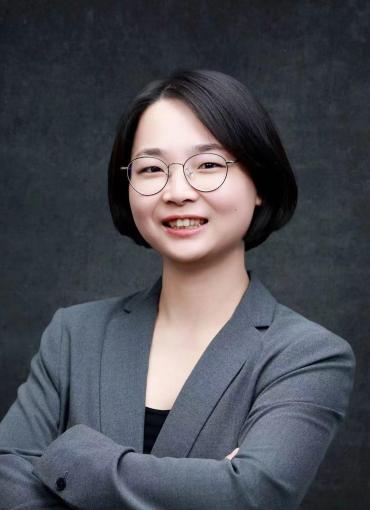
I am a stem cell and organoid biologist whose research focuses on constructing human tissue microenvironments using pluripotent stem cell–derived organoid systems, with particular emphasis on hematopoietic, immune, and bone marrow niches. My academic training spans multiple disciplines, including molecular biology, microbiology, biochemistry, stem cell biology, and genetics. I obtained my PhD from the Institute of Biophysics, Chinese Academy of Sciences, where I studied transcriptional and epigenetic regulation in stem cells and immune development. During this period, I contributed to studies uncovering regulatory mechanisms involving noncoding RNAs and chromatin remodeling with publications in journals such as Nature Immunology, Nature Cell Biology, EMBO Journal, and Journal of Experimental Medicine.
During my postdoctoral research at Weill Cornell Medicine, I also contributed to stem cell–based platforms and organoid models to study SARS-CoV-2 infection and host responses across multiple organs (Cell Stem Cell, 2020; Nature, 2021; Circulation Research, 2021, 2022).
My current research focuses on developing stem cell–derived organoid systems to model human hematopoietic tissues and diseases. In particular, I aim to construct the bone marrow microenvironment by integrating pluripotent stem cell–derived hematopoietic, stromal, and immune cells to generate functional blood and bone marrow organoids that recapitulate key features of hematopoietic stem cell niches.
PhD, Biochemistry and Molecular Biology, University of Chinese Academy of Science, Beijing, China, 2014-2019
BS, Biotechnology , Shandong University, Shandong, China, 2010-2014
Assistant Professor, Institute of Hematology and Blood Diseases Hospital, Chinese Academy of Medical Sciences and Peking Union Medical College, 2024-
Postdoctoral, Weil Cornell Medicine, 2019-2024
PRINCIPAL HONORS, AWARDS:
2024 Excellent Young Scientists Fund (Overseas), National Natural Science Foundation of China (NSFC)
SELECTED PUBLICATIONS:
1. Yang L, et al.. A Human Pluripotent Stem Cell-based Platform to Study SARS-CoV-2 Tropism and Model Virus Infection in Human Cells and Organoids. Cell Stem Cell 2020; 27: 125-136.
2. Yang L, et al.. SARS-CoV-2 infection causes dopaminergic neuron senescence. Cell Stem Cell 2024; 31: 196-211.
3. Han Y, Duan X and Yang L, et al.. Identification of SARS-CoV-2 Inhibitors using Lung and Colonic Organoids. Nature 2021; 589: 270-275.
4. Yang L, et al.. An Immuno-Cardiac Model for Macrophage-Mediated Inflammation in COVID-19 Hearts. Circ Res 2021; 129: 33-46.
5. Han Y, Leng D, Zhang T, Ge J, Fang Y, Lu T, Dong X, Nair MS, de Silva N, Han Z, Jiao T, Huang Y, Zhao M, Saqi A, Hibshoosh H, Meng Z, Xiang JZ, Pan C, Sun Y, Ho DD, Evans T, Liu J and Yang L*, et al.. A Human Immuno-Lung Organoid Model to Study Macrophage-Mediated Lung Cell Senescence Upon SARS-CoV-2 Infection. Adv Sci (Weinh) 2025; 12: e03932.
6. Chang L, Li L, Han Y, Cheng H and Yang L*, et al.. Organoids in Haematologic Research: Advances and Future Directions. Cell Prolif 2025; 58: e13806.
7. Yang X, Li L, Zhu S, Li S, Wang X, Han Y and Yang L*, et al.. Activation of FCGR2A enhances the antitumor efficacy of hPSC-derived CAR-M. Front Cell Dev Biol 2026; 13: 1698030.
8. Liu B, Ye B and Yang L, et al.. Long noncoding RNA lncKdm2b is required for ILC3 maintenance by initiation of Zfp292 expression. Nat Immunol 2017; 18: 499-508.
9. Han Y, Tan L, Zhou T and Yang L, et al.. A human iPSC-array-based GWAS identifies a virus susceptibility locus in the NDUFA4 gene and functional variants. Cell Stem Cell 2022; 29: 1475-1490.
10. Han Y and Yang L*, et al.. Human organoid models to study SARS-CoV-2 infection. Nat Methods 2022.
11. Yang L, et al.. Cardiomyocytes recruit monocytes upon SARS-CoV-2 infection by secreting CCL2. Stem Cell Reports 2021; 16: 2274-2288.
12. Yang L, et al.. Isogenic human trophectoderm cells demonstrate the role of NDUFA4 and associated variants in ZIKV infection. iScience 2023; 26: 107001.
13. Han Y, Zhu J and Yang L*, et al.. SARS-CoV-2 Infection Induces Ferroptosis of Sinoatrial Node Pacemaker Cells. Circ Res 2022; 130: 963-977.
14. Ye B and Yang L, et al.. Induction of functional neutrophils from mouse fibroblasts by thymidine through enhancement of Tet3 activity. Cell Mol Immunol 2022.
15. Ye B and Yang L, et al.. The chromatin remodeler SRCAP promotes self-renewal of intestinal stem cells. EMBO J 2020; 39: e103786.
16. Liu B and Yang L, et al.. Yeats4 drives ILC lineage commitment via activation of Lmo4 transcription. J Exp Med 2019; 216: 2653-2668.
17. Song X and Yang L, et al.. A higher-order configuration of the heterodimeric DOT1L-AF10 coiled-coil domains potentiates their leukemogenic activity. Proc Natl Acad Sci U S A 2019; 116: 19917-19923.
18. Ye B, Liu B and Yang L, et al.. LncKdm2b controls self-renewal of embryonic stem cells via activating expression of transcription factor Zbtb3. EMBO J 2018; 37.
19. Liu B, Ye B, Zhu X and Yang L, et al.. An inducible circular RNA circKcnt2 inhibits ILC3 activation to facilitate colitis resolution. Nat Commun 2020; 11: 4076.